
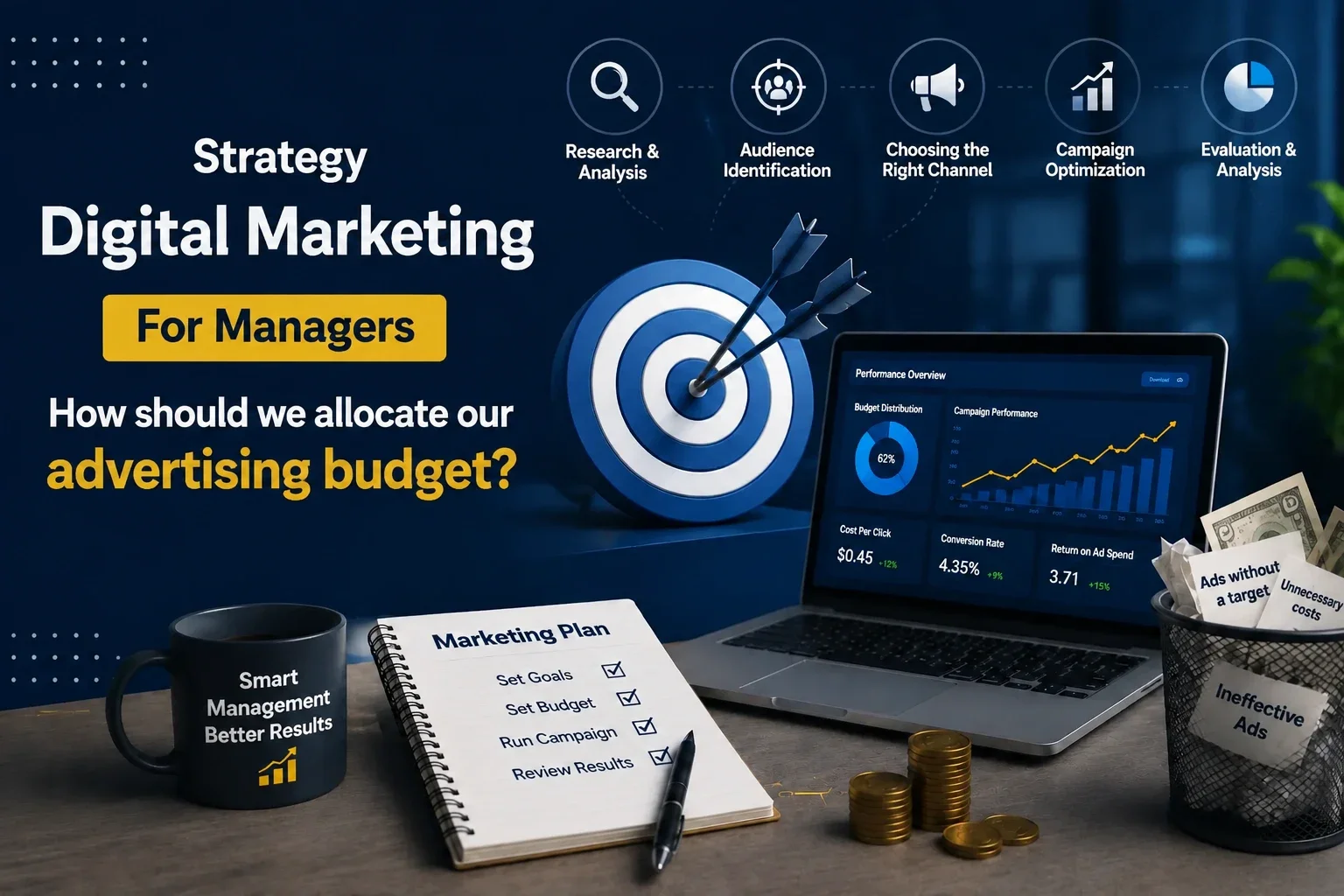
The biggest mistake I see among business leaders is launching advertising campaigns before establishing a strategy. Without a strategy, digital marketing is like shooting arrows in the dark; one might hit the mark, but the cumulative cost will be crippling.
Why Failure Is Inevitable Without a Marketing Strategy
Many executives invest heavily in pay-per-click advertising or influencer marketing as soon as they launch their website or social media presence. Shortly after, they conclude in frustration: "Digital marketing just doesn't work for our industry."
The tools are not the problem; the issue is that we have not engineered the conversion funnel and the customer journey. Without this vital infrastructure, advertising traffic simply will not convert into paying customers.
Prerequisites for a Successful Marketing Campaign
Before spending even a single penny on advertising, you must have clear answers to these critical questions:
- Who exactly is my target audience? (A precise definition of your buyer persona)
- Through what journey will the customer discover us and make a purchase? (Designing touchpoints)
- What is our Key Performance Indicator (KPI)? Are we pursuing brand awareness or direct sales?
- Is the website's infrastructure ready to handle the traffic? (Site speed, seamless checkout, and high-converting landing pages)
Digital Marketing Management: Smart Budget Allocation
Once the strategy is defined, it is time to distribute the budget and manage various marketing channels. The true expertise of a marketing manager lies in knowing which channel delivers the highest Return on Investment (ROI) at each stage of business growth.
We must view marketing channels as a unified ecosystem where each element directly influences the others.
Key Digital Marketing Channels
A well-balanced budget allocation strategy typically includes the following components:
- Search Engine Optimization (SEO): Investing in website SEO to secure high-quality, sustainable organic traffic over the long term.
- Google Ads: Immediately capturing high-intent prospects who are actively searching for your products or services right now.
- Social Media Marketing (SMM): Building close connections with your audience, fostering trust, and showcasing behind-the-scenes moments of your business.
- Email Marketing and Automation: Nurturing qualified leads and driving repeat purchases by re-engaging existing customers.
Comments